Questions to ask before paying a builder
Use these questions before paying a builder deposit, progress payment, or final invoice so the terms are clear before money moves.
Slate
Slate guide
2 min read

The best time to ask payment questions is before money moves. Once you have paid, your leverage and options can change quickly.
These questions are not about catching someone out. Good builders should be able to answer them because clear payment terms protect them too.
Before paying a deposit
Ask:
- What exactly does this deposit cover?
- Is any part of it refundable?
- What date will work start?
- What happens if the start date changes?
- Are materials being ordered now?
- Will I receive order confirmations or receipts?
- Is there deposit protection or insurance?
If the answer is vague, ask for the payment to be split into smaller stages.
Before paying for materials
Materials payments are common, but they should be specific.
Ask:
- What materials are being bought?
- Who owns them once paid for?
- Where will they be stored?
- What happens if they are delayed?
- Are any items bespoke or non-refundable?
A real materials payment should have real material details.
Before paying a progress invoice
Progress payments should match progress.
Ask:
- Which milestone is this payment for?
- Has the stage been completed?
- What evidence confirms completion?
- Are there any outstanding defects or changes?
- What is the next payment trigger?
If the invoice is based only on a date, ask to connect it to completed work.
Before paying the final invoice
The final payment should close the job cleanly.
Ask:
- Is the agreed scope complete?
- Are snagging items documented?
- Have certificates, manuals, or warranties been provided?
- Has waste been removed?
- Are all subcontractor costs included?
- What happens if a defect appears shortly after completion?
Do not leave important completion details informal.
The question that matters most
The strongest single question is: what has to be true for this payment to be due?
If both sides can answer that clearly, the payment is probably better structured. If nobody can answer it, the risk is still too vague.
For a broader structure, read how to safely pay contractors in the UK.
FAQ
Is it rude to ask these questions?
No. Clear questions reduce disputes. Professional builders should expect payment terms to be discussed before work starts.
What if the builder refuses to answer?
Do not pay until the terms are clear. A refusal to explain payment is a meaningful warning sign.
Should I get answers in writing?
Yes. Messages, email, quotes, and invoices all help create a record of what was agreed.
Related guides
Keep reducing payment uncertainty
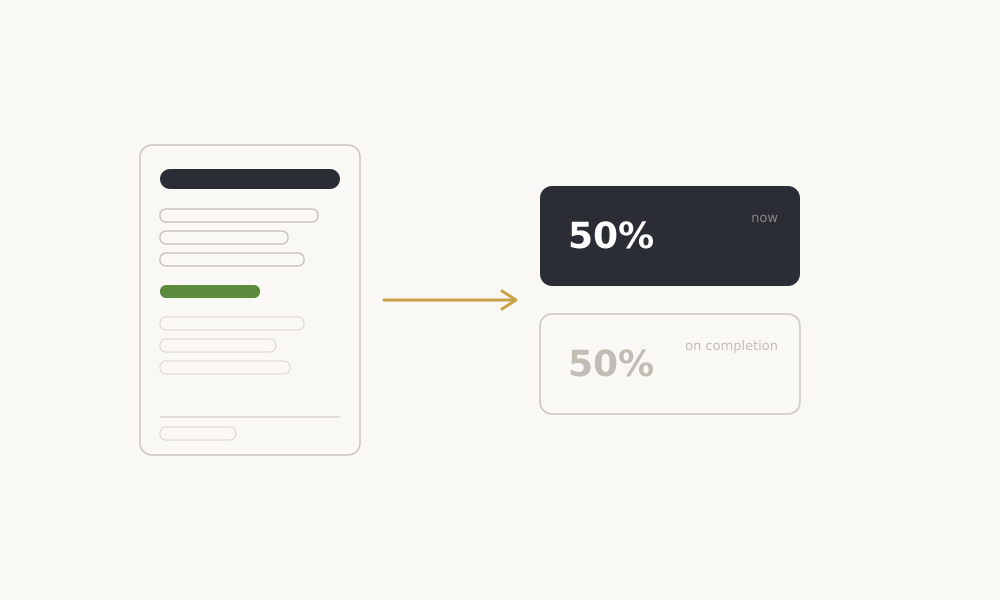
Is 50% upfront normal for builders?
A 50% builder deposit can be a warning sign unless it is tied to real materials, dates, and written milestones. Here is how to judge the risk before paying.
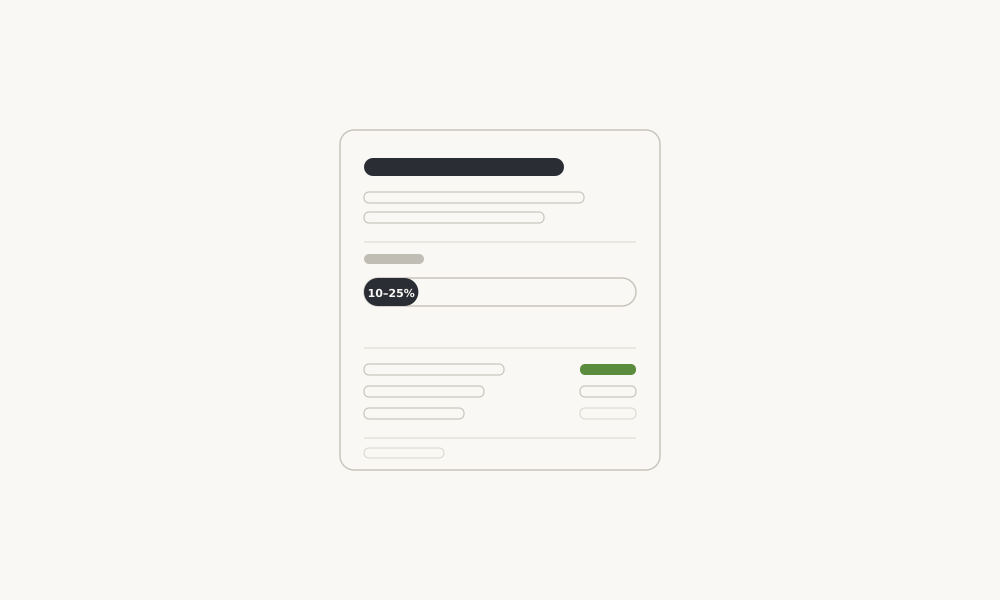
What is a reasonable builder deposit?
A reasonable builder deposit should match real upfront costs, not replace a payment schedule. Here is how to judge the amount before you pay.
What happens if a builder disappears after a deposit?
If a builder stops responding after a deposit, move quickly: collect evidence, stop further payments, contact your bank if fraud is suspected, and get consumer advice.
How to avoid rogue traders
Rogue traders often rely on pressure, vague terms, and upfront payments. These checks help UK homeowners reduce risk before hiring.