What is a reasonable builder deposit?
A reasonable builder deposit should match real upfront costs, not replace a payment schedule. Here is how to judge the amount before you pay.
Slate
Slate guide
3 min read

A reasonable builder deposit is one that has a clear purpose. It should cover something specific, such as materials, booking a start date, or genuine mobilisation costs. It should not be a substitute for a proper payment schedule.
There is no single number that fits every project. A small decorating job, a bathroom refit, and a large extension all have different upfront costs. The useful test is whether the amount is proportionate and explained.
What the deposit should cover
Ask the builder what the deposit is for. A good answer will usually mention one or more of:
- ordering materials
- reserving labour
- paying a named subcontractor
- booking plant or equipment
- starting design, survey, or preparation work
A vague answer like "that is just how we work" is weaker. It might still be common for that trader, but it does not tell you what risk you are taking.
What makes a deposit feel unreasonable
A deposit becomes harder to justify when it is large, urgent, and poorly documented.
Be cautious if:
- the amount is close to half the job
- the start date is vague
- there is no written quote
- the builder will not split payments into stages
- the payment goes to an unexpected account
- you are discouraged from asking questions
For more on high deposits, read is 50% upfront normal for builders?.
Match payment to progress
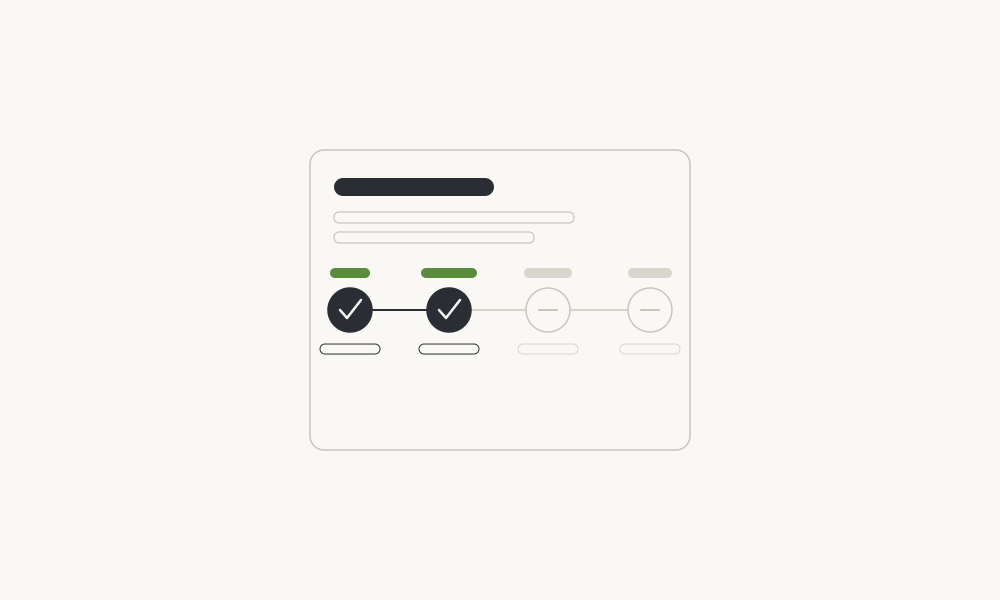
The safest structure is usually a small deposit followed by milestone payments. Each payment should unlock or follow a clear stage of work.
That might mean payment after demolition, after first fix, after installation, or after snagging. The exact milestones depend on the job, but the principle is the same: payment follows progress.
Citizens Advice says payment points should be clear before work starts and advises checking deposit protection if a deposit is needed: Before you get work done on your home.
What to put in writing
Before paying any deposit, write down:
- the amount
- what it covers
- whether it is refundable
- when work starts
- what happens if work is delayed
- what the next payment depends on
This does not need to be complicated. It just needs to be clear enough that both sides can point to the same agreement later.
FAQ
Is a builder deposit always needed?
No. Some jobs do not require one. A deposit is more understandable when there are genuine upfront materials or booking costs.
Should a deposit be refundable?
That depends on what the deposit covers and what the contract says. Make the refund position clear in writing before paying.
Can I ask for a lower deposit?
Yes. You can ask to split a large deposit into smaller milestones or pay suppliers directly where that is appropriate and agreed.
Related guides
Keep reducing payment uncertainty
Is 50% upfront normal for builders?
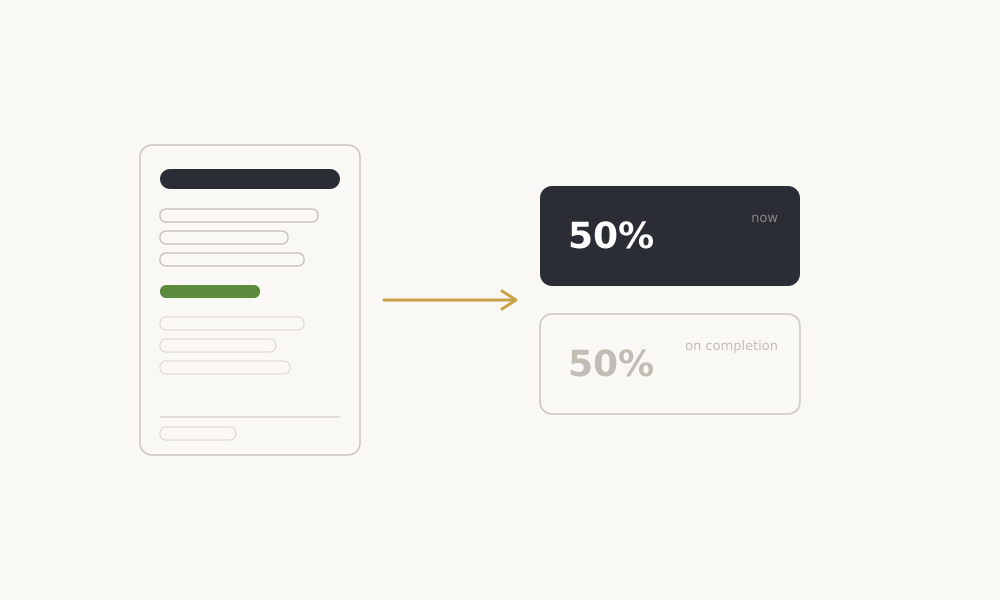
A 50% builder deposit can be a warning sign unless it is tied to real materials, dates, and written milestones. Here is how to judge the risk before paying.
Questions to ask before paying a builder
Use these questions before paying a builder deposit, progress payment, or final invoice so the terms are clear before money moves.
How to avoid rogue traders
Rogue traders often rely on pressure, vague terms, and upfront payments. These checks help UK homeowners reduce risk before hiring.
How milestone payments work
Milestone payments break a project into agreed stages so contractors know payment is available and homeowners only release money when work is done.